

LONDON (AP) The turmoil engulfing the British royal family deepened recently with the arrest of Andrew Mountbatten-Windsor, formerly known as Prince Andrew, related to allegations of misconduct in public office tied to his connections with the late convicted sex offender Jeffrey Epstein. This event has sparked a scandal that threatens to undermine public support for the monarchy and has been likened to the monarchy's largest crisis since Edward VIII's abdication in 1936.
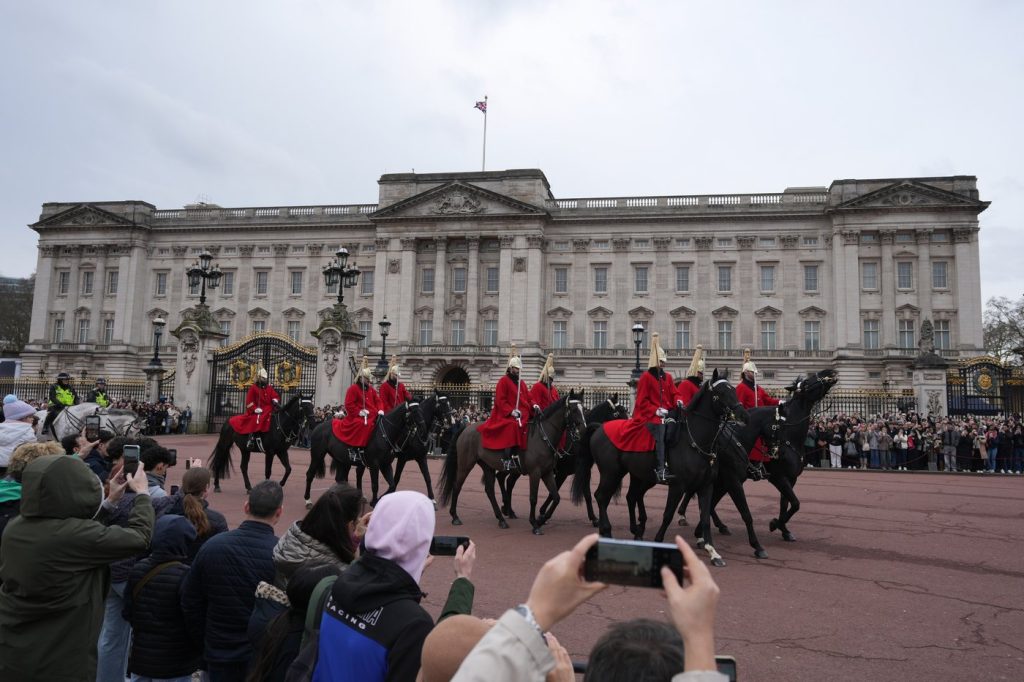
Despite the grave situation, King Charles III and other royal family members continued their public duties amidst the chaos. On the same day as Andrew's arrest, King Charles was present at the opening of London Fashion Week, Queen Camilla attended a concert, and Princess Anne visited a prison. This decision to maintain a sense of normalcy was seen as a nod to British stoicism and an attempt to showcase the resilience of the House of Windsor during its greatest challenge in nearly a century.
Charles issued a statement affirming his commitment to the ongoing police investigation. "My family and I will continue in our duty and service to you all," he declared, emphasizing the family's dedication to their roles, even amidst personal crises. The public proclamation revealed the serious implications of Andrew's arrest, which saw the former prince held for 11 hours before being released under investigation—neither charged nor cleared of wrongdoing.
Commentators have drawn historical parallels to the events of the 1640s, particularly focusing on the execution of King Charles I during the English Civil War as a comparable incident of royal turmoil. The mounting allegations against Andrew, including claims he communicated trade data to Epstein while serving as Britain’s special envoy for international trade in 2010, have catalyzed investigations by several police forces across the U.K.
Ed Owens, a royal historian, noted that the current crisis lacks a clear resolution roadmap. Unlike the abdication of Edward VIII, where Edward could simply step aside, the unfolding drama surrounding Andrew appears more complicated and is ongoing. Experts caution that how the monarchy navigates these allegations and the public's demand for accountability is paramount. Long-standing issues surrounding Andrew’s relationship with Epstein have now resurfaced with renewed scrutiny following the U.S. Justice Department's recent release of investigation documents.
As the monarchy faces heightened public expectations for transparency and accountability, concerns have arisen about what the royal family may have known about Andrew's alleged activities. The palace has attempted to draw a distinction between Andrew and the monarchy, such as stripping him of his titles and military honors. Nevertheless, despite these actions, Andrew remains eighth in line to the throne—a position that can only be altered through new legislation.
Craig Prescott, a royal analyst, remarked that King Charles is the first monarch to be subject to public expectations for accountability similar to other public figures, indicating a shift in how the royal family must engage with the public. Critics have noted that the monarchy has been slow to respond to concerns regarding Andrew’s connections to Epstein, raising questions about past investigations and whether any warnings were dismissed during his tenure as a trade envoy.
The potential outcomes of the ongoing police investigation hold significant implications for the future of the monarchy. The most favorable scenario for the royal family would focus solely on Andrew’s actions and ties to Epstein. Conversely, an expanded inquiry into the broader institution could pose a greater threat, leading to uncomfortable inquiries about the monarchy's awareness regarding Andrew’s behavior over the years.
As the royal family grapples with the ramifications of the investigation, the situation continues to evolve, drawing widespread media attention and public interest regarding its potential impact on the institution of the monarchy in modern Britain.








