

NEW YORK (AP) – Following the Supreme Court's decision to strike down tariffs imposed by President Donald Trump under an emergency powers law, businesses are confronted with a new wave of uncertainty. Trump, however, has pledged to work around the ruling and maintain tariffs, indicating that he would impose a 10% tariff on all imports for a duration of 150 days while exploring other methods to institute additional tariffs on countries deemed to be engaging in unfair trade practices.
The Trump administration argues that these tariffs benefit American manufacturers and reduce the trade deficit. Nevertheless, many U.S. businesses have been compelled to raise prices and make adjustments to manage the higher costs that resulted from these tariffs. The overall impact of the Supreme Court ruling on business and consumer relief remains to be seen. Economists, such as Michael Pearce from Oxford Economics, argue that any potential economic boost from reduced tariffs could be mitigated by an extended period of uncertainty, as the administration may resort to alternative measures to impose tariffs that would ultimately maintain rates similar to current levels.
Complications are anticipated in efforts to reclaim the estimated $133 billion to $175 billion in tariffs that have now been ruled illegal by the Supreme Court, potentially favoring larger companies that possess the necessary resources to navigate the complexities of the process. Consumers hoping for refunds are not expected to receive compensation.
With Trump’s firm stance on tariffs, businesses are preparing for years of legal battles. For example, Basic Fun, a toy manufacturer based in Florida, is among several companies proactively seeking to recoup tariffs paid to the government. CEO Jay Foreman expressed concern over the potential impact of any new tariffs Trump may introduce and anticipates ongoing conflicts over trade issues lasting at least the next three years.
Concerns about the immediate implications of new tariffs were echoed by Daniel Posner, the owner of Grapes The Wine Co. in White Plains, New York, who is uncertain whether incoming shipments of wine will be subject to the newly announced tariff. Similarly, Ron Kurnik, owner of Superior Coffee Roasting Co. in Sault Ste. Marie, Michigan, is navigating the dual challenges of U.S. tariffs and retaliatory tariffs from Canada. Kurnik remarked on the continuous price increases, with his company raising prices by 6% twice since the tariffs were implemented.
The Supreme Court ruling has sparked conversations across various sectors, including retail, technology, and agriculture. The Business Roundtable, representing over 200 U.S. companies, released a statement urging the administration to limit future tariffs to specific unfair trade practices. In retail, businesses have adopted diverse strategies to mitigate tariff effects, such as absorbing costs and adjusting supply chains, but have still passed some price increases onto consumers during a time of heightened inflation.
Dave French, from The National Retail Federation, expressed hopes for lower courts to facilitate a smooth refund process concerning previously paid tariffs, a matter unaddressed by the Supreme Court’s ruling. The technology sector has also been adversely affected, facing challenges as many products are either manufactured overseas or rely on imported components. The Computer & Communications Industry Association anticipates that the ruling will lead to greater stability in trade policy, promoting an environment conducive to commerce.
Farmers, similarly impacted by rising costs for equipment and fertilizer due to the tariffs, have urged the president to refrain from imposing further tariffs on agricultural inputs. While the Supreme Court ruled that the International Emergency Economic Powers Act does not grant the president the authority to tax imports, the decision does not alleviate the existing tariffs on steel, upholstered furniture, and various other goods, leaving certain industries still grappling with heightened costs.
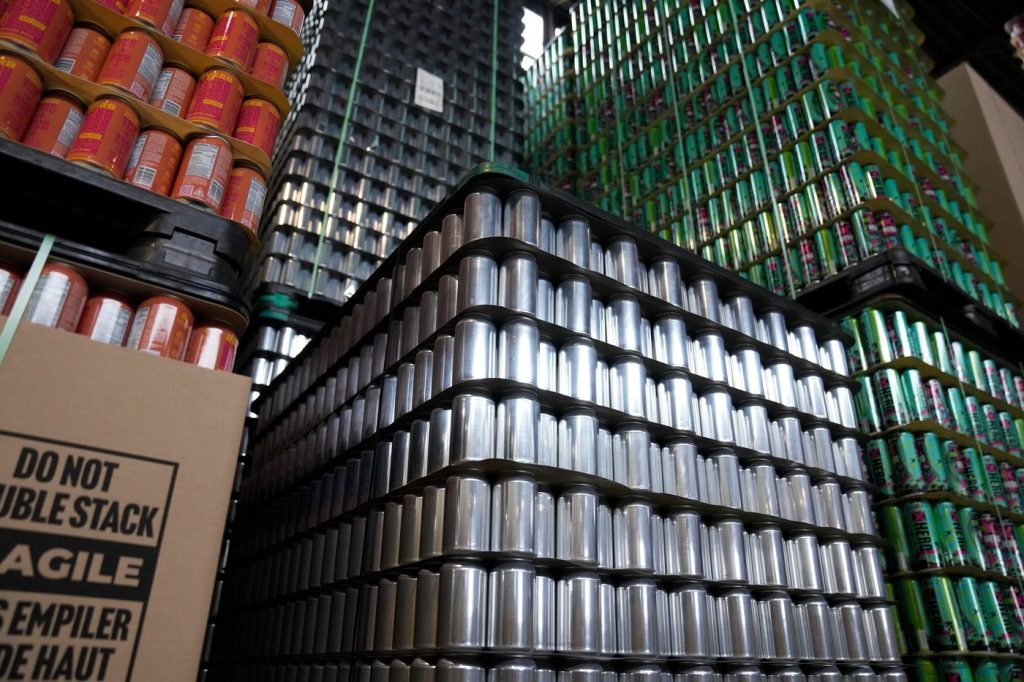
For businesses like Revolution Brewing in Chicago, the ongoing metal tariffs have made aluminum prices comparable to the cost of ingredients used in production. As a result, these businesses face compounded challenges from other factors like fluctuating barley prices and a dip in demand for craft beer.
Internationally, the Supreme Court's ruling was met with skepticism by Italian winemakers, who expressed concerns that renewed uncertainty in U.S. trade relations may exacerbate existing challenges. With the U.S. being Italy's largest wine market, the risk of reimposed tariffs has left the industry apprehensive. Economists have warned that although the legal framework may change, the economic consequences could remain detrimental for various sectors, including pharmaceuticals, chemicals, and auto parts.








