

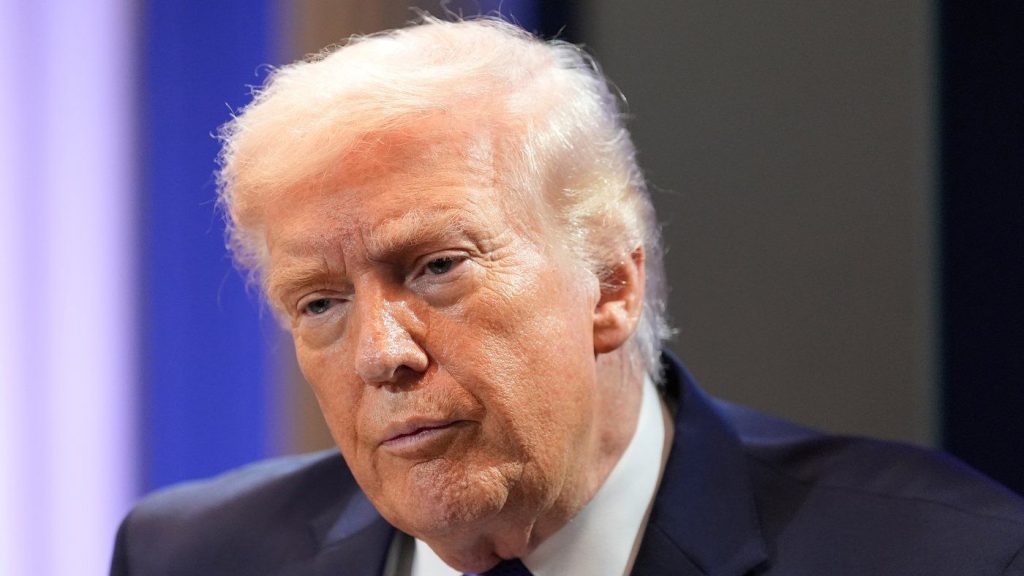
U.S. President Donald Trump has announced an increase in his global tariff rate to 15 percent, a move that comes following a ruling by the U.S. Supreme Court. The court had deemed his previous tariff strategy illegal, prompting Trump to sign an executive order on Friday to implement a 10 percent global levy on imports.
In a recent social media post, Trump justified his decision to escalate the duties by asserting that numerous countries have been "ripping" the United States off for decades. He indicated that the new tariff rate will remain in effect while his administration seeks to establish "new and legally permissible tariffs" as part of their ongoing agenda to "Make America Great Again." The president's remarks reflect a persistent focus on perceived trade imbalances that he believes have disadvantaged the U.S. economy.
The White House has provided a fact sheet outlining specific details regarding the latest tariff. Importantly, it states that the new 15 percent duty will not apply to goods that are compliant under the Canada-U.S.-Mexico Agreement (CUSMA), which was established to facilitate trade relations among these three countries. This exemption highlights the administration's commitment to maintaining favorable trade conditions with Canada and Mexico, which are significant partners in North American trade.
Moreover, the executive order specifies that the new tariff will not be enforced on top of existing sector-specific tariffs that target steel, aluminum, and automobiles. This distinction suggests that while the overall tariff rates are increasing, the government recognizes the need to protect certain industries from additional burdens, possibly to maintain domestic stability and prevent retaliatory measures from trading partners.
This significant shift in tariff policy is a clear indication that the Trump administration is willing to take substantial steps to address its trade agenda. The increase to 15 percent signals an aggressive stance towards international trade relations, particularly aimed at countries viewed as unfair trade partners. Given the complexities of global trade dynamics, the administration's approach raises questions about potential responses from affected nations and the overall economic impact on U.S. consumers and industry.
As the administration moves forward with this policy, it will be critical to monitor how these tariffs influence international trade negotiations and local economies, as well as whether they achieve the desired effects of reducing trade deficits and revitalizing American manufacturing.








