

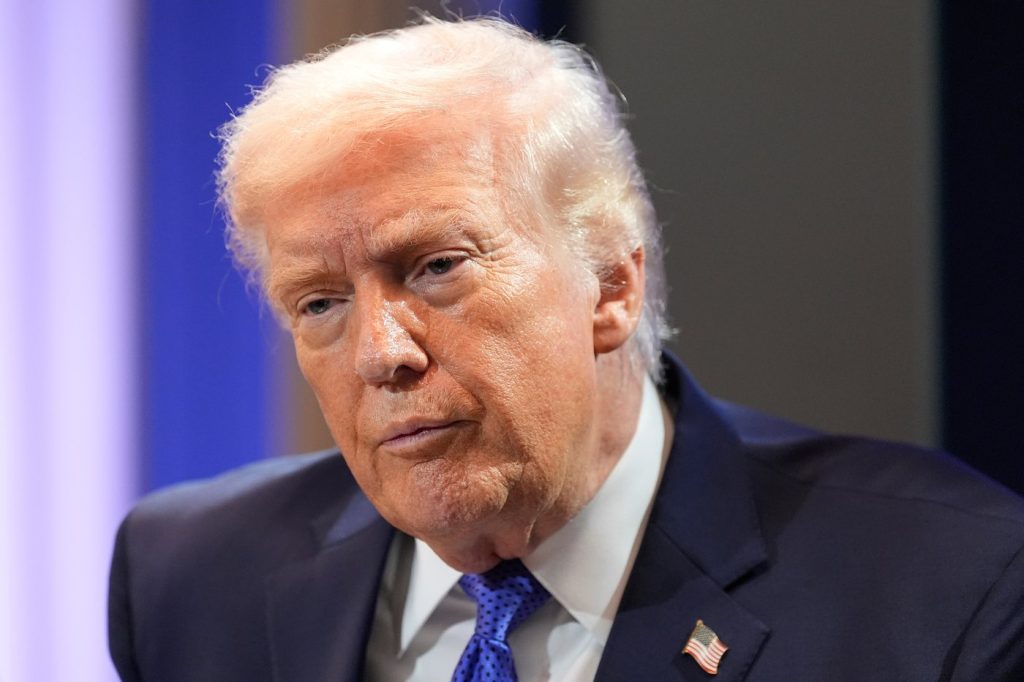
On February 21, 2026, in Washington, Donald Trump announced a continuation of his controversial tariff strategies, pledging to increase a proposed worldwide tariff from 10 percent to 15 percent. This announcement came just a day after the Supreme Court ruled against Trump's preferred method of implementing tariffs, effectively limiting his authority under the International Emergency Economic Powers Act (IEEPA).
In a social media post, Trump stated, "During the next short number of months, the Trump Administration will determine and issue the new and legally permissible Tariffs, which will continue our extraordinarily successful process of Making America Great Again." Trump's executive order, signed the previous day, set a 10 percent worldwide tariff to take effect on Tuesday. However, this tariff can only be raised to a maximum of 15 percent and is set to expire after 150 days unless Congress votes to extend it.
The implications of the fluctuating tariff threats are expected to have a minimal direct effect on the Canadian economy. Nevertheless, they contribute to a broader atmosphere of uncertainty ahead of an essential review of the Canada-U.S.-Mexico Agreement (CUSMA), which is scheduled for this year. A fact sheet released by the White House clarified that the new tariffs would not apply to goods compliant with CUSMA and would not be added to existing sector-specific tariffs on commodities such as steel, aluminum, and automobiles, which were not impacted by the Supreme Court's ruling.
On February 20, the Supreme Court determined that Trump's plan to employ the IEEPA for what he termed "Liberation Day" tariffs—particularly those targeting Canada, Mexico, and China for fentanyl-related duties—was illegal. Trump criticized the ruling as "poorly written and extraordinarily anti-American," indicating his dissatisfaction with the court's decision.
The Supreme Court's ruling has limited Trump's ability to impose extremely high tariffs at any given time. However, it is unlikely to deter his ambitions for reshaping global trade via tariffs. U.S. Trade Representative Jamieson Greer remarked on "Fox News" that during the implementation of the new worldwide tariff, the Trump administration would initiate investigations into certain countries via Section 301 of the Trade Act of 1974. This section allows the president to take trade actions if investigations conclude that a trading partner's policies are unreasonable or discriminatory, a process that could extend over several months and would involve a public comment period.
In summary, the Trump administration’s tariff strategies continue to evolve amidst legal setbacks and ongoing scrutiny. The 10 to 15 percent worldwide tariff reflects Trump's continued focus on trade reform, despite constraints imposed by the judicial system. The forthcoming assessments of trade agreements like CUSMA will likely be influenced by these tariff developments and the administration's broader trade policies.








