

The tragic case of a New Zealand father, Tom Phillips, and his three children has led to a public inquiry into the actions of government agencies regarding their welfare and safety. Phillips and his children disappeared from Marokopa, a remote township on New Zealand's North Island, in December 2021. The family had been the subject of court proceedings concerning their care since 2018, raising questions about the adequacy of interventions by authorities.
The inquiry, announced by Attorney General Judith Collins, will formally investigate if all practicable steps were taken by government agencies to ensure the safety of Phillips' children. Public outrage has surged over how a father involved in court disputes was allowed to remain elusive for years while his children endured challenging living conditions without access to essential services like healthcare and education.
Phillips had previously evaded authorities just three months before his final disappearance. In September 2021, he triggered a nationwide search after his abandoned truck was found on a beach, leading officials to initially believe that he and his children had drowned. However, Phillips re-emerged three weeks later, claiming they had been camping. Following this incident, he was facing charges for wasting police resources when he vanished again with his children.
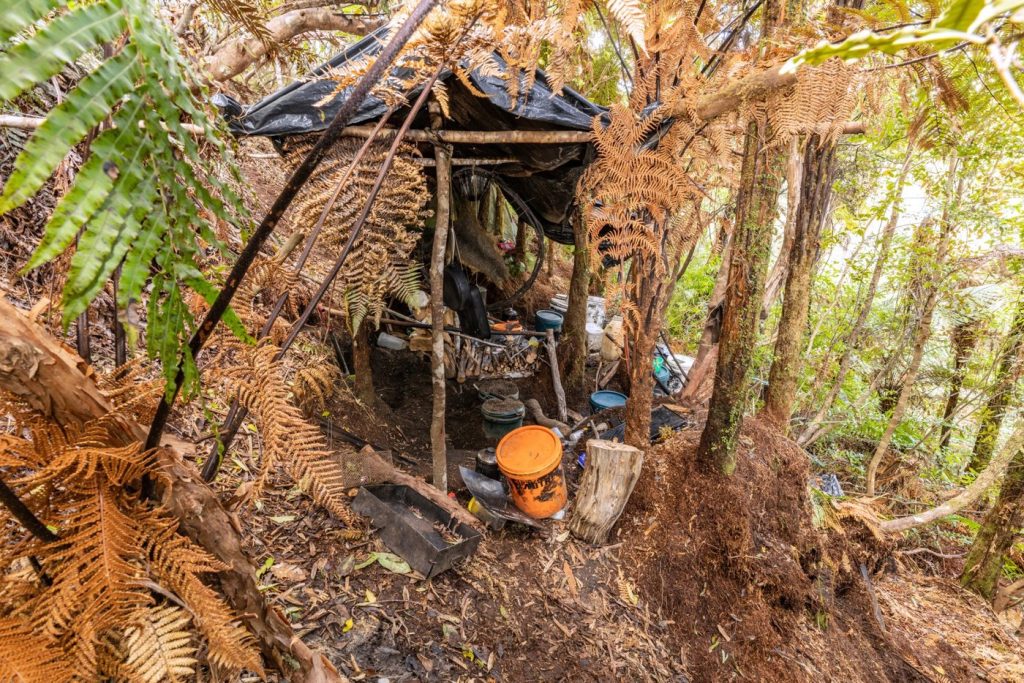
The case reached a critical turning point in September 2025 when Phillips was shot dead by police during a robbery attempt at a farming supplies store in Waitomo. An officer was critically injured in the confrontation. The children were later found at a makeshift campsite, where evidence of squalid living conditions was uncovered, including firearms.
Simultaneously, the inquiry will examine whether law enforcement accurately assessed the risks concerning the children's welfare and adequately conducted searches for them over the lengthy period of their disappearance. Reports indicate that sightings of Phillips frequently placed him near where the family had last been seen, leading many to question the level of commitment in the search efforts. The critical inquiry will be led by Simon Moore, a notable lawyer and former High Court judge, and is expected to produce a report by July 2026.
The mounting scrutiny is also fueled by privacy concerns surrounding the children's current situation. Various judicial orders have restricted the disclosure of certain case details, prompting several media outlets to challenge these rulings in court. Public interest has soared, with a documentary about the case currently in production, and questions linger over the police's initial response time and broader efforts to locate the family.
Despite police calls for public assistance during the later stages of the family's disappearance, many wonder why such appeals did not occur sooner. Phillips was suspected of having received help from the local community before being forcefully confronted by law enforcement. The ongoing investigation into potential accomplices associated with Phillips remains a focal point of law enforcement efforts.
In conclusion, the case of Tom Phillips and his children has sparked significant national concern in New Zealand regarding the effectiveness and responsiveness of government agencies in protecting vulnerable individuals. The inquiry is poised to shed much-needed light on the systemic failures that allowed the situation to escalate unchecked.








