

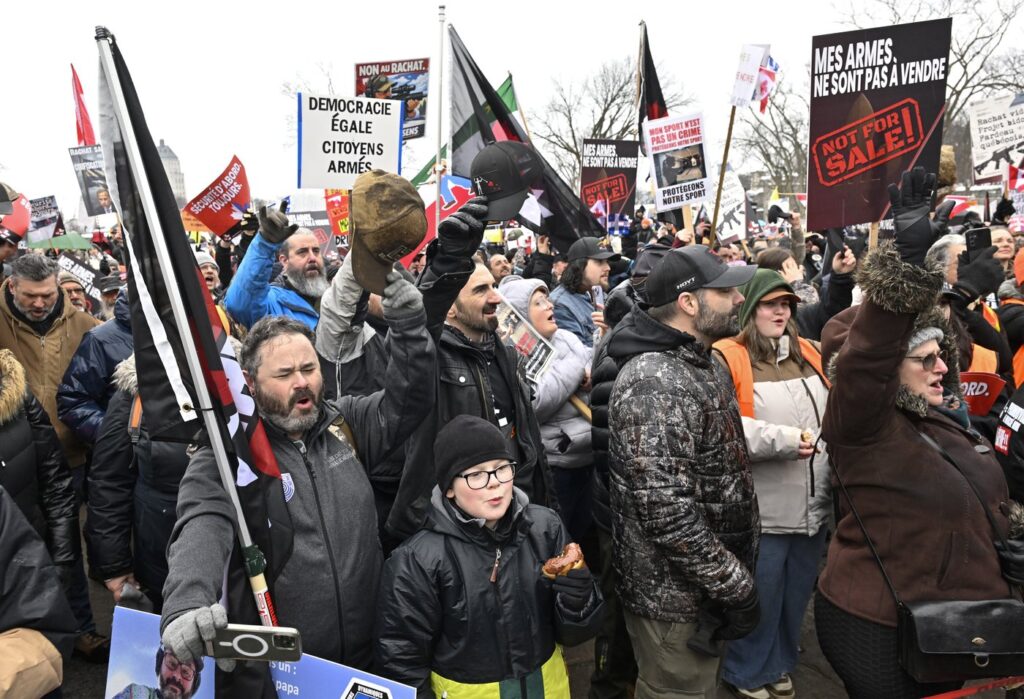
In Ottawa, the gun control advocacy group PolySeSouvient is criticizing what it perceives as "weak political leadership" contributing to low participation rates in the federal compensation program for banned firearms. Public Safety Minister Gary Anandasangaree announced that gun owners have reported over 52,000 firearms to the government, with just one week remaining in the compensation program initiated for banned guns.
This figure significantly falls short of the 136,000 firearms for which the Liberal government allocated funds when the buyback program was launched for individual owners in January. The disparity between the reported numbers and the expected participation highlights the challenges the government faces in engaging gun owners effectively.
In a statement released to the media, PolySeSouvient expressed concerns that ineffective messaging regarding the compensation program has allowed misinformation to persist and has aided in disingenuous provincial tactics against the initiative. The organization believes that more robust communication strategies are needed to better inform the public and counteract the narratives that have emerged from various political circles.
Since May 2020, the Canadian government has prohibited approximately 2,500 types of firearms, including notable models such as the AR-15 and Ruger Mini-14, based on the argument that these weapons are suitable only for battlefield conditions. This move has faced significant pushback from certain segments of the population, particularly gun owners who argue against the bans.
Furthermore, it is important to note that individuals who own prohibited firearms and accessories are mandated to either dispose of or deactivate their weapons by the end of the amnesty period set for October 30, 2026. This requirement stands regardless of whether the owners choose to participate in the compensation program.
As the deadline approaches, the government and advocacy groups are left to grapple with the implications of the current engagement levels among gun owners, as well as the political ramifications of public sentiment towards gun control measures in Canada.
This situation continues to raise critical questions regarding the effectiveness of governmental policy implementation and the social dynamics surrounding gun control in Canada, as stakeholders from various perspectives prepare for the upcoming changes in legislation and enforcement.








